


In short
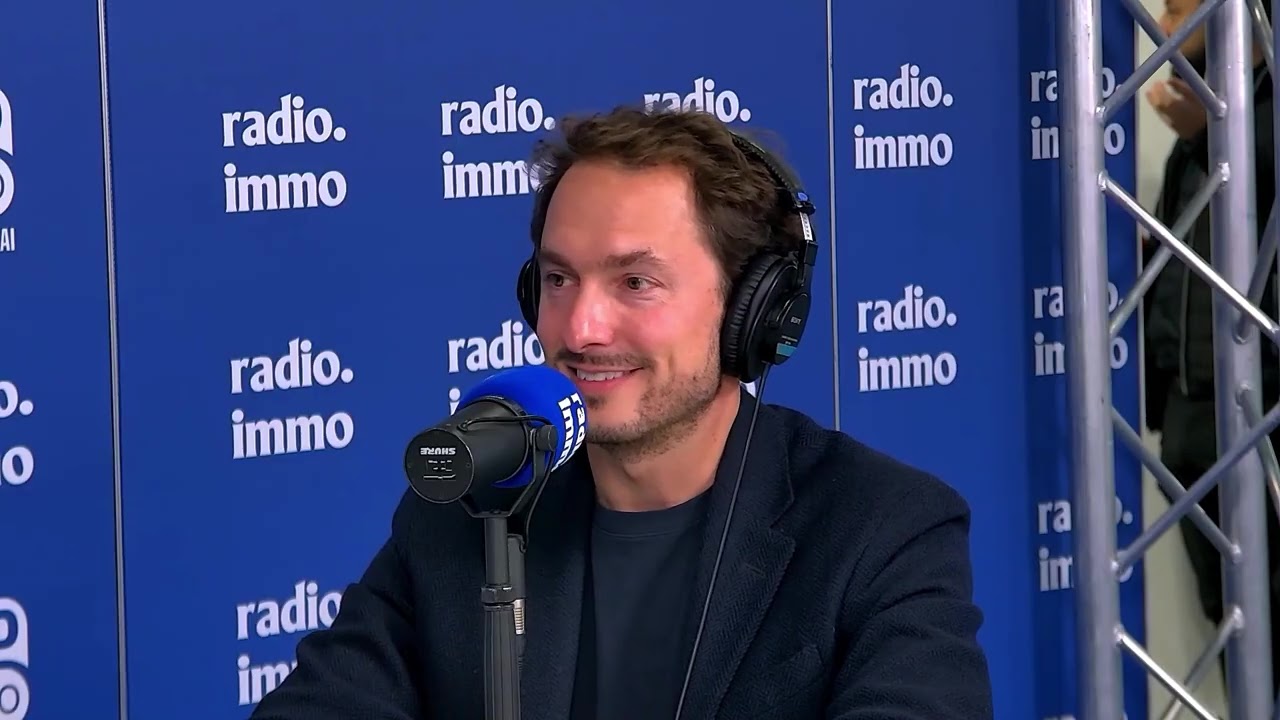
- Louis Poirier is co-founder and CTO of Kleio. He leads the development of Kleio's agentic platform and the R&D behind it.
- An aerospace engineer by training, he did a short stint at NASA, then spent 15 years at C3 AI, from its early days as C3 Energy, ending as global VP of GenAI.
- At Kleio, the scale is similar to industrial AI: millions of conversations, millions of products, billions of inventory items to present to users.
- Instead of filters that rarely match real needs, Kleio turns a request in your own words into a profile, matches it to the catalog and recommends alternatives, so buyers feel confident in high-stakes purchases.
- The core challenge is data: reorganizing catalogs designed for websites so AI agents can explore them quickly and make the best recommendations.
Transcript
Interview by Clara. Transcript lightly edited for readability.
How did you get to Kleio?
Clara: Tell me a little bit about yourself and how you got to Kleio.
Louis Poirier: My name is Louis Poirier, I'm the CTO of Kleio. Day to day, I lead the development of our agentic platform and the R&D: all the AI we need to develop for that platform to work.
From NASA to C3 AI
Clara: You've been in the AI space for a while. Tell me about your career journey and how you came to found Kleio with your two co-founders.
Louis Poirier: Believe it or not, I was an aerospace engineer initially. I did a short stint at NASA and very quickly switched to AI. I joined a small company called C3 Energy that became C3 AI, and spent 15 years there, building teams from zero to fifty several times. That's what excites me: taking a hard problem, assembling a team of very good engineers, product people and salespeople, and cracking it. By the end, I was global VP of GenAI for the company.
Louis Poirier: I moved to Europe, I met Adrien and Philippe, and we started Kleio because there's a moment right now where GenAI and agentic AI can really change the way we interact with the web.
Clara: You built and scaled C3 AI from the US, right?
Louis Poirier: I spent eight years there, then decided Europe was also a good place to live and to build things. I built a lot in Silicon Valley and have many friends and contacts there; it's a great place to imagine the future. But Europe is changing, and I think Paris is becoming that place now. This is Europe's time.
What excites you most about Kleio?
Clara: What excites you most about what you're building at Kleio with your team?
Louis Poirier: At C3, we built AI for industrial applications, scaling to millions of sensors and billions of predictions a day, some of the biggest deployments on the planet at the time. At Kleio, we're attacking a similar problem: millions of conversations, millions of products, billions of inventory items that need to be presented to users.
Louis Poirier: When you go to a website, you're subject to whatever it was designed to show you, and most are a bazaar of options. AI helps you navigate that: identify the best products, interact with them, and take actions for you. That's where agentic commerce gets really exciting. We connect brands: we take their catalog, connect to their systems, and make it all available to humans and agents.
Example: buying a car
Clara: Say I'm a young woman living in a city and looking for a car. I want it small and easy to park, with parking assistance and rear cameras, and definitely not manual. On a platform using Kleio, I can type all of that into a chat and get cars that match?
Louis Poirier: That's exactly what the experience should be, and exactly not what you get on websites today. You get a set of filters, and none of what you described is categorized; the products aren't tagged with your needs, so you have to figure out how the company sorted them. Now you can express exactly what you told me, typed or dictated into your phone, and Kleio understands it, turns it into a profile and matches it against the catalog.
Louis Poirier: We rework all of our customers' products so we can make good matches, recommend alternatives, tell you when there's nothing that fits rather than send you down a dead end, and ultimately help you feel confident in your purchase. That's why we focus on complex sales. You don't care much about your toothbrush, but you do care about two weeks with your family somewhere, a car you'll drive for ten years, even a fridge you'll keep for fifteen. When intent is high, you want advice, and AI is great at that.
What's your biggest technical challenge?
Clara: You run tech at Kleio. What's your biggest challenge right now?
Louis Poirier: Most of the company, probably 80% of our resources, is tech: we're a tech company at heart. The biggest challenge is organizing the data. The core of our product is what we call product stores: taking millions of products from our customers and reorganizing them. They were designed for navigation and display on a website, not for fast exploration by agents that are very good at it.
Louis Poirier: So the challenge is organizing the data to make the best recommendations, and that's where the hard problem is for every serious company in this space. I think we've cracked very interesting things there; the way we interact with catalogs is much better than what I've seen elsewhere. The rest is building the platform around it: exposing those products, remembering your intentions, navigating, and ultimately leading to a purchase. But the core problem is the data.
Clara: Thank you so much, Louis.
Louis Poirier: Thank you very much.
About Kleio
Kleio gives brands their own AI agent, on their website and inside personal AI assistants such as ChatGPT, Meta Muse and Claude. Watch the other episodes on the Kleio YouTube channel.